Betfred Closures Reflect Tax Pressures on Regulated Betting Outlets
Ines Beck · Aug 6, 2026

Betfred Closures Reflect Tax Pressures on Regulated Betting Outlets
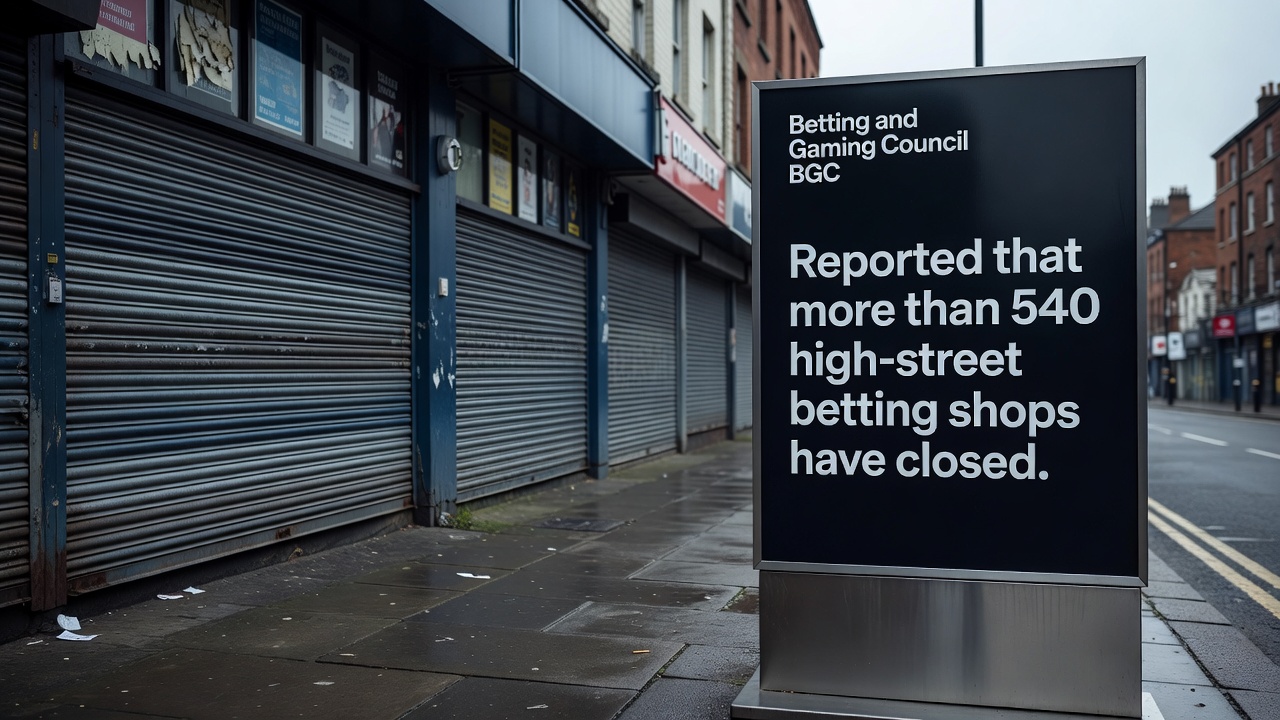
The Betting & Gaming Council released a statement in August 2026 that directly connected recent Betfred betting shop closures to tax increases introduced in the 2025 Budget, and the organization outlined how these changes have produced measurable effects across employment levels, capital spending, and local economies while shifting activity toward unregulated channels.
According to the council the closures represent the immediate outcome of higher tax rates applied to the regulated betting and gaming sector, and the statement emphasized that the same measures have reduced funds available for high street businesses and British horseracing without curbing overall gambling participation.
Details of the BGC Statement
The Betting & Gaming Council described the Betfred closures as a clear illustration of how elevated taxation affects operational decisions within the licensed industry, and the group noted that multiple locations had already ceased trading by mid-2026 as operators adjusted cost structures to accommodate the new rates imposed twelve months earlier.
Council representatives pointed out that the 2025 Budget adjustments raised the fiscal burden on betting shops at a time when footfall and margins were already under pressure, and they recorded that further site reductions remain likely unless policy settings change.
Employment and Investment Consequences
Job losses have followed the closures in several regions, and the statement recorded that staff reductions extend beyond direct betting shop employees to include supply chain roles that support the physical retail network.
Reduced investment has also materialized, with operators reallocating capital away from refurbishment projects and technology upgrades that would normally occur in a more stable tax environment, and the council documented specific instances where planned store improvements were cancelled after the Budget measures took effect.
High street economies have experienced secondary effects because betting shops contribute to local foot traffic and commercial rents, and the statement indicated that empty premises left by closures create visible gaps that affect neighboring retailers.
Impact on British Horseracing
British horseracing receives funding from regulated betting activity through established levy and sponsorship arrangements, and the Betting & Gaming Council stated that lower revenues from taxed shops translate into diminished contributions to prize money and racecourse infrastructure.
Observers tracking the sector note that the same tax increases that prompted the Betfred closures simultaneously weaken the financial pipeline supporting racing fixtures and breeding programs, and the council warned that continued pressure on these revenue streams risks longer-term contraction in an industry that employs thousands across rural and urban areas.
Shift Toward Unregulated Markets
The statement highlighted that tax increases on the licensed sector create price differentials that favor the unregulated black market, and data cited by the council shows increased migration of betting activity to offshore or unlicensed platforms that operate outside UK tax and consumer protection rules.
According to industry monitoring referenced in the release, black market operators avoid the compliance costs borne by regulated firms, and this advantage grows larger each time duty rates rise, thereby accelerating the movement of customers away from licensed shops and online sites.
A report from the Betting & Gaming Council presents the closures as part of a broader pattern observed after previous duty adjustments, and the group argues that the policy approach undermines the very regulatory framework designed to keep gambling within supervised channels.
Broader Industry Context
Operators across the regulated market have reported similar margin compression since the 2025 changes, and the council statement positioned the Betfred experience as representative rather than isolated, with additional firms reviewing their retail footprints in light of the same cost pressures.
Evidence gathered by the organization indicates that the combination of higher taxes and static player spending limits the capacity of licensed businesses to compete on price or service levels against unregulated alternatives, and the resulting imbalance has produced the documented shop closures.
Conclusion
The Betting & Gaming Council statement from August 2026 frames the Betfred closures as a direct result of the 2025 Budget tax rises, and it records the associated effects on employment, investment, high streets, horseracing funding, and the expansion of unregulated betting channels, with the organization continuing to present these outcomes as evidence of the policy impact on the licensed UK sector.